September 3, 2026
Choosing the right dumpster size can make a major difference in how smoothly a home renovation, cleanout, landscaping job, or construction project goes. A dumpster that is too small may require an additional rental or pickup, while one that is much larger than necessary can add unnecessary expense.
A roll-off dumpster comes in several sizes designed to accommodate different amounts and types of debris. The right choice depends on what you are throwing away, how much material you expect to generate, where the container will be placed, and whether your waste has special weight considerations.
Understanding these factors before scheduling delivery can help you select a container that provides enough capacity without paying for space you do not need.
Understanding Different Roll Off Dumpster Sizes
Dumpster sizes are generally measured by the number of cubic yards of material they can hold. Common options include 10-, 15-, 20-, 30-, and 40-yard containers, although available sizes can vary between rental companies.
A 10-yard dumpster is often suitable for smaller projects such as bathroom renovations, garage cleanouts, or limited amounts of household debris. Its compact dimensions can also make it useful when available space is restricted.
A 15-yard container offers additional capacity for medium-sized cleanouts and remodeling projects. It may be a practical choice when a 10-yard dumpster is likely to be too small but a larger container would provide more room than necessary.
A 20-yard dumpster is one of the more versatile options. It can accommodate debris from larger home renovations, roofing projects, estate cleanouts, and construction work. According to Refuse Lab, a 20-yard dumpster holds roughly the equivalent of eight pickup truck beds of debris, providing a useful point of comparison when estimating the volume of material a project will generate.
For substantial renovations, construction projects, and large-scale cleanouts, 30- and 40-yard containers provide considerably more capacity. These larger containers can reduce the need for multiple pickups when a project produces significant quantities of bulky debris.
Assessing Your Project Needs
The best way to determine dumpster size is to start by estimating the amount and type of waste your project will produce. Consider what you are removing, how much material you expect to generate, and whether the debris will be bulky or compact.
For example, a small kitchen renovation may generate cabinets, flooring, drywall, and other construction materials without requiring a particularly large container. A whole-home cleanout, on the other hand, could produce furniture, appliances, boxes, carpeting, and other bulky items that quickly consume available space.
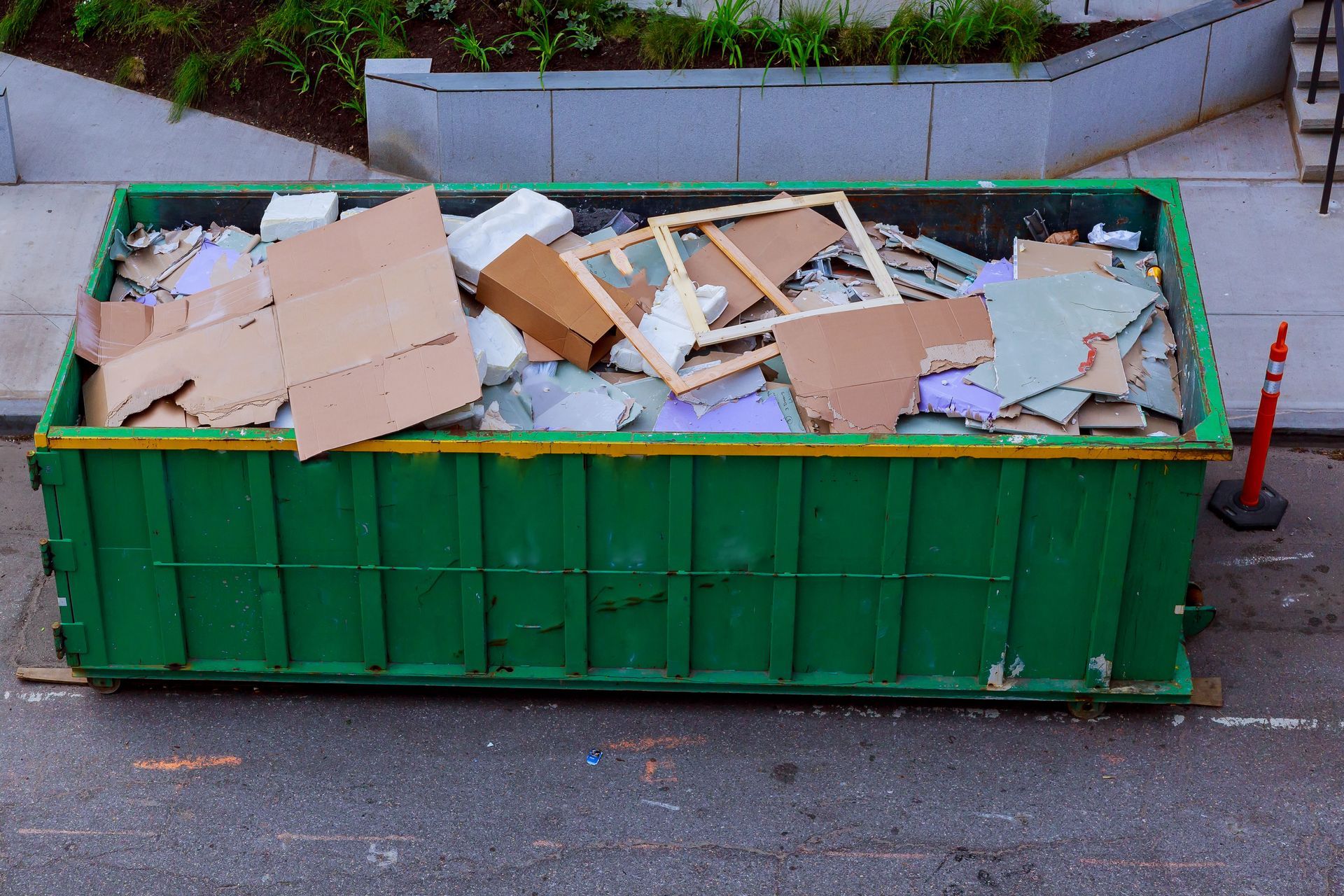
It is also important to account for how efficiently your debris can be placed inside the container. Broken furniture and large pieces of construction material can leave considerable empty space. Demolition debris may also take up more room than expected because materials become irregularly shaped when broken apart.
When estimating your needs, consider adding some extra capacity rather than planning to fill the container to its absolute limit. Having some room available gives you flexibility if your project produces more debris than anticipated.
Factors That Affect Dumpster Size Choice
The amount of waste is only one consideration when selecting a roll-off dumpster. The type of material being disposed of can also influence which container is appropriate.
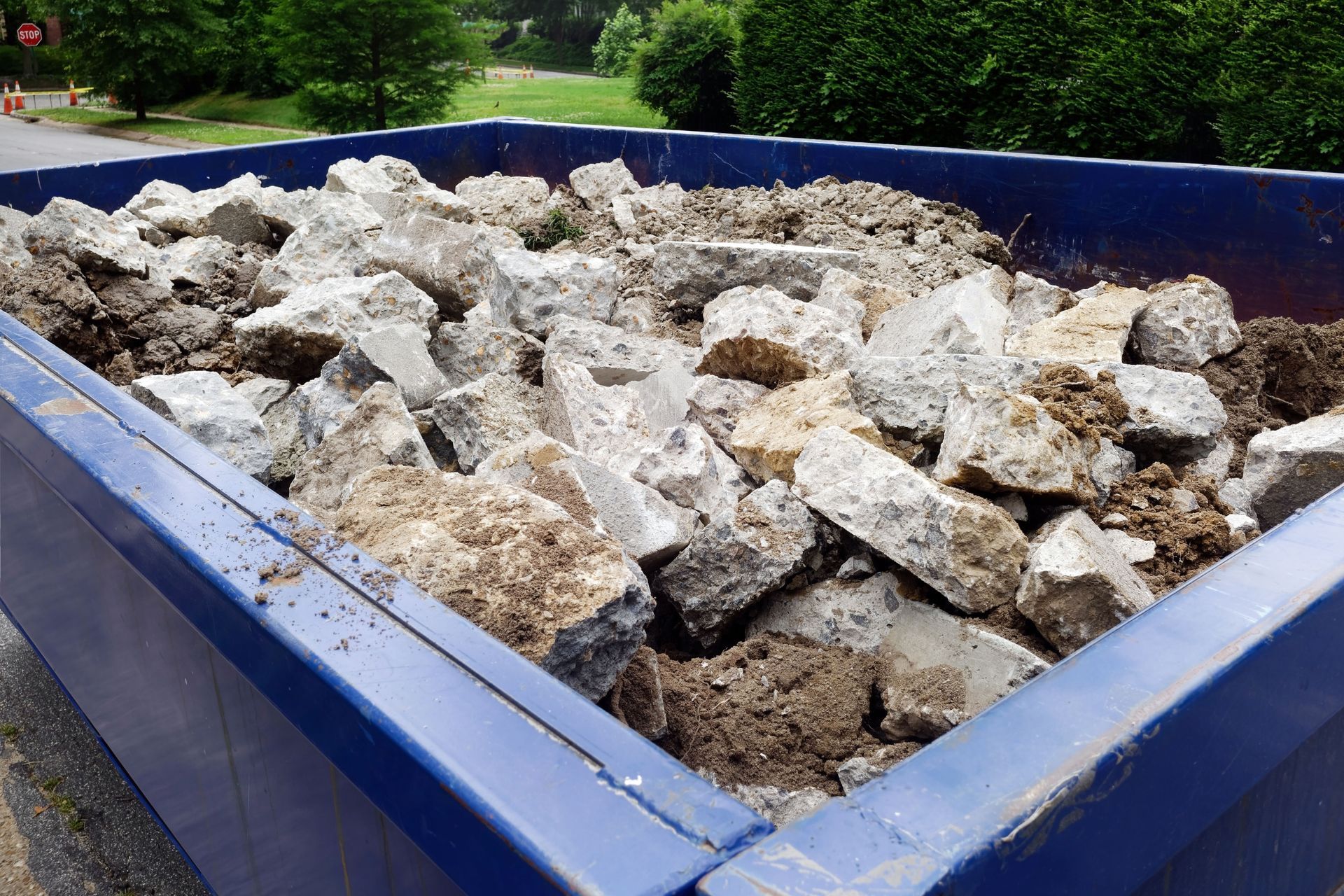
Weight is particularly important for materials such as concrete, brick, soil, asphalt, and roofing shingles. These materials can become extremely heavy even when they occupy relatively little space. A container may have plenty of unused volume while still approaching its allowable weight limit.
Some rental companies also have restrictions regarding which materials can be placed in a container. Hazardous materials, certain chemicals, tires, electronics, appliances, and other specialty items may require separate disposal arrangements. Checking the provider's accepted-material guidelines before loading the container can help prevent problems later.
The location of the dumpster matters as well. Roll-off containers require sufficient space for delivery and pickup, and the truck needs room to maneuver. Driveways are commonly used, but you should consider overhead branches, utility lines, parked vehicles, gates, and other obstacles.
Local regulations can also affect placement. Some communities require permits when dumpsters are placed on public streets or other areas outside private property. Checking local requirements ahead of time can prevent delays when the container is delivered.
Cost Considerations for Roll Off Dumpsters
Price is naturally an important part of the decision, but choosing the cheapest container is not always the most economical approach. The size of a
roll off dumpster can affect its rental price, while disposal charges may depend on the type and weight of the material.
Choosing a container that is too small can ultimately cost more if you need a second rental or an additional pickup. It may also interrupt your project if debris accumulates after the dumpster reaches capacity.
Choosing a substantially oversized container presents the opposite problem. You may pay for additional capacity that you never use. For a relatively small cleanout, renting a 40-yard container simply because it provides plenty of room may not make financial sense.
When comparing prices, look beyond the advertised rental rate. Ask about delivery, pickup, included rental periods, disposal fees, weight allowances, and potential overage charges. Understanding the complete pricing structure makes it easier to compare options accurately.
It can also help to discuss your project with the rental company before ordering. Providing details about the materials, estimated volume, and project type may allow the company to recommend an appropriate container.
Common Mistakes in Choosing a Dumpster Size
One of the most common mistakes is underestimating how much debris a project will generate. People often focus on the amount of material they can see initially without accounting for everything that will be removed during demolition or cleanup.
Another mistake is confusing weight with volume. A relatively small pile of concrete can weigh far more than a much larger pile of lightweight household items. Understanding the difference can help you avoid exceeding weight restrictions.
Failing to consider bulky materials is another potential problem. Furniture, cabinets, mattresses, and other large objects can consume substantial space even when they do not weigh very much. Breaking down appropriate materials when possible can help maximize the available capacity.
Some people also choose a dumpster without considering where it will be placed. A container that technically fits in a driveway may still create problems if delivery equipment cannot access the area. Measure the intended location and check for overhead and surrounding obstacles before scheduling delivery.
Finally, avoid assuming that you can fill a container above its walls. Debris generally needs to remain within the container so it can be transported safely. Overfilling can create transportation and safety problems and may require you to remove material before the dumpster can be hauled away.
Choosing the Right Dumpster for Your Project
Selecting the right roll-off dumpster ultimately comes down to balancing volume, material type, weight, location, and cost. Start by estimating the amount of debris your project will generate, then consider whether the materials are particularly heavy or bulky.
For small cleanouts and limited renovations, a smaller container may provide sufficient capacity. Medium-sized remodeling projects often benefit from a 15- or 20-yard option, while major renovations and construction jobs may require 30 or 40 cubic yards of space.
If you are uncertain, it is generally better to discuss the project with a rental provider rather than making an estimate based solely on appearance. Describe the materials you are disposing of, the scope of the project, and where you intend to place the container.
Taking the time to choose an appropriate roll-off dumpster before your project begins can help prevent unexpected costs, repeated pickups, and unnecessary interruptions. With a realistic estimate of your debris and an understanding of the available options, you can select a dumpster that provides the capacity you need while keeping your project on track. If you're in need of a roll off dumpster, reach out to the team at LK Specialties LLC today!