October 13, 2026
Managing a major home renovation, commercial construction project, or comprehensive property cleanup requires careful organization and efficient waste management strategies. Debris quickly accumulates during demolition, remodeling, land clearing, or seasonal decluttering, creating safety hazards and stalling project momentum if not handled properly. Securing a reliable waste container provides a centralized space to collect discarded items, keeping job sites tidy, compliant, and hazard-free. Before initiating any large-scale disposal effort, property owners and project managers must evaluate their specific containment needs to ensure smooth delivery, placement, and haul-away services. Exploring roll off dumpster rentals allows individuals to streamline waste removal while maintaining an organized workspace throughout the entire project duration.
Selecting the ideal container service involves evaluating critical logistics, structural capabilities, and material restrictions. Not all cleanup endeavors are identical, and mismatched container sizes or improper material loading can result in project delays or delivery complications. Asking detailed questions before securing a container ensures that property owners select the right equipment for their unique scenario. Understanding how placement, weight distribution, and local environmental standards impact waste management enables project leaders to make well-informed decisions. By systematically reviewing key operational questions, project planners can establish a seamless waste disposal plan that protects both their property and the surrounding environment.
1. What Container Sizes Are Available for Your Disposal Needs?
Determining the appropriate volume of waste storage required is one of the most critical initial steps in planning any cleanup initiative. Containers are manufactured in various dimensions, typically measured in cubic yards, to accommodate diverse project scopes ranging from minor residential cleanouts to massive commercial builds. Selecting a container that is too small leads to overflowing debris and requires multiple pickup cycles, whereas selecting an excessively large unit leaves unused capacity. When evaluating options for roll off dumpster rentals, project managers should carefully estimate the bulk, density, and physical footprint of the debris to select a container size that efficiently holds all materials in a single, manageable unit.
To accurately gauge required container dimensions, consider the physical nature of the items being discarded. Bulky furniture, lengthy wooden beams, and rigid structural materials require adequate length and height, while dense materials like dirt or concrete demand sturdy structural sidewalls. Discussing project details with experienced waste coordinators helps clarify which volume best matches the expected material output. Selecting the proper size streamlines workflow, minimizes job site clutter, and ensures that discarded materials remain fully contained beneath sidewall thresholds during transit.
2. What Specific Waste Materials Are Allowed in the Container?
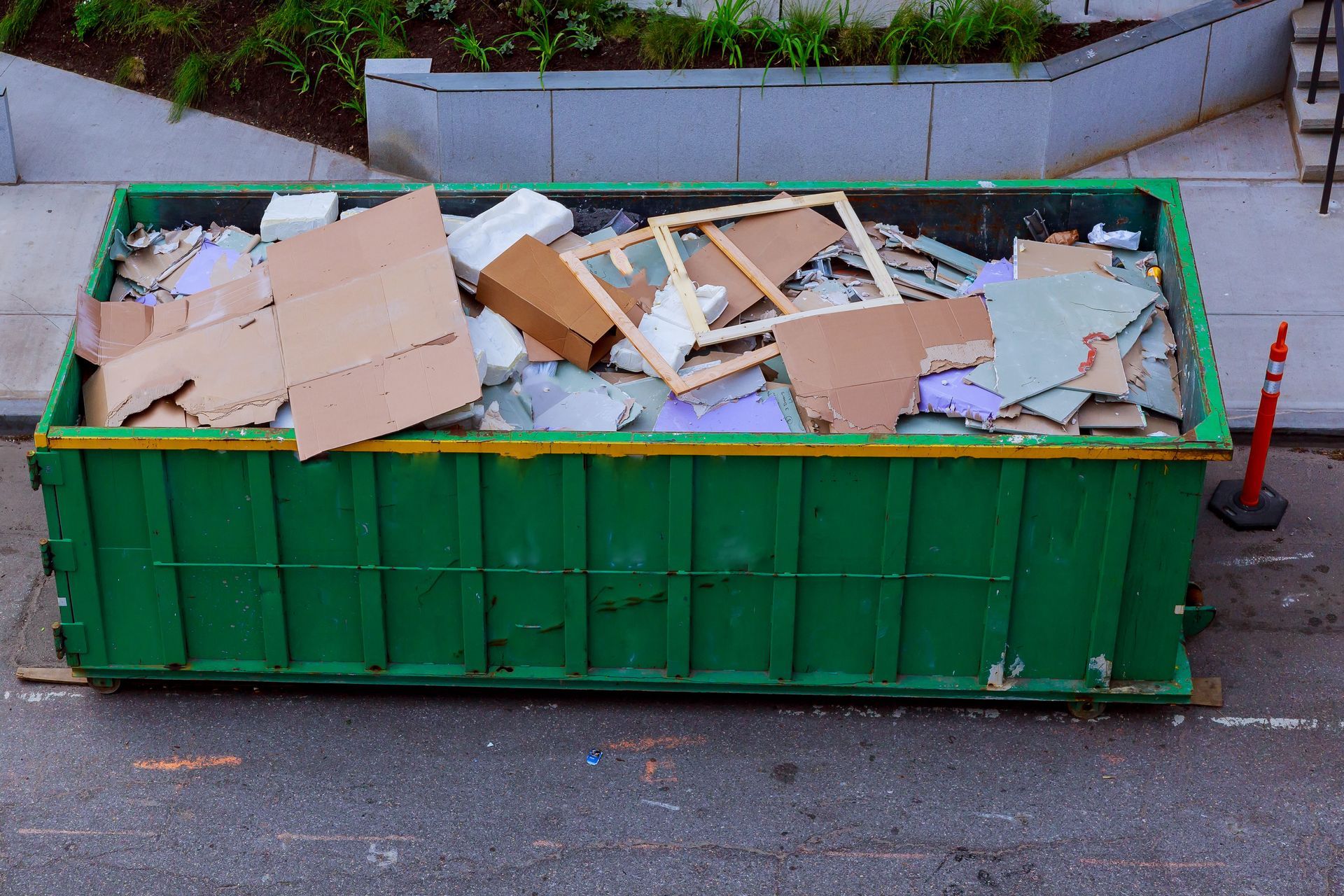
Waste management facilities enforce strict guidelines regarding what types of refuse can be placed into collection units. Standard containers easily accept household junk, wooden framing, drywall, roofing shingles, cabinetry, and general yard debris. However, environmental regulations prohibit hazardous substances such as paints, liquid chemicals, batteries, asbestos, propane tanks, and electrical appliances containing refrigerants. Clarifying material restrictions beforehand prevents cross-contamination and guarantees that collected refuse complies with municipal environmental standards.
Understanding material composition is also essential for specialized projects involving heavy structural debris. According to World Metrics, construction and demolition debris accounts for 30% of all materials transported in roll-off dumpsters. Because heavy structural waste like concrete, brick, and tile requires dedicated processing, waste handlers often require specific loading protocols for these dense items. Verifying acceptable material categories ensures proper sorting at disposal centers and keeps waste management practices environmentally responsible.
3. What Delivery and Placement Requirements Must Be Planned?
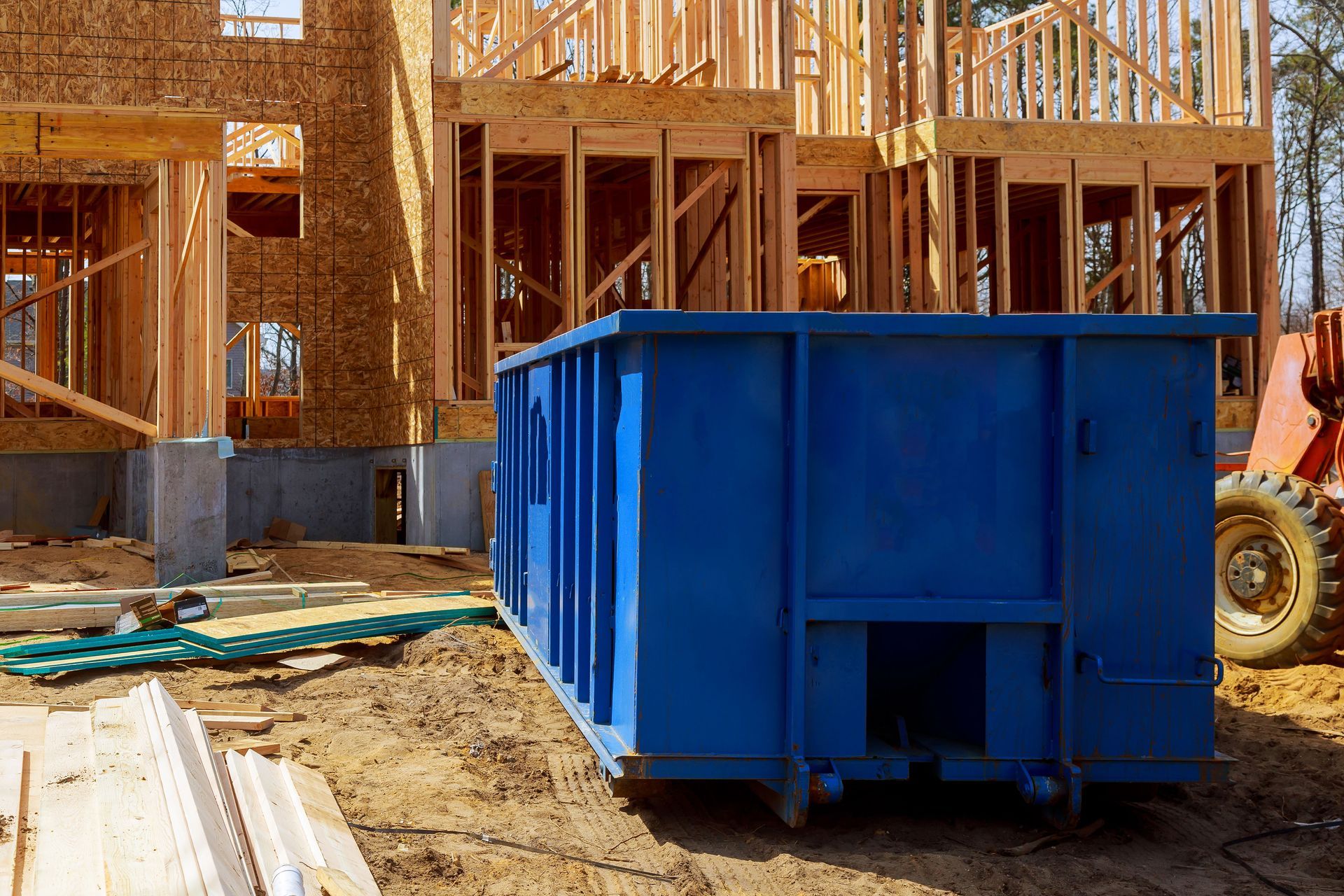
Preparing the physical drop-off location before delivery is essential for ensuring safe placement and protecting surrounding property features. Delivery vehicles require substantial overhead clearance, wide turning radii, and a firm, level surface to unload heavy steel containers safely. Driveways, designated parking spaces, and concrete pads are common drop-off zones, but property owners must check for low-hanging tree branches, power lines, and underground utility vaults. Assessing physical access paths before ordering roll off dumpster rentals prevents delivery delays and protects hardscape surfaces from accidental damage.
In addition to spatial requirements, property owners should consider surface protection and local municipal permits. Heavy steel containers can scratch asphalt or stress residential concrete driveways if placed directly onto the surface without protective wooden boards underneath. Furthermore, if the desired drop-off location includes public street parking, sidewalk space, or shared right-of-way zones, city permits may be required prior to delivery. Clarifying placement guidelines ensures compliant drop-offs that preserve property integrity.
4. What Weight Limits Apply to Heavy Materials and Debris?
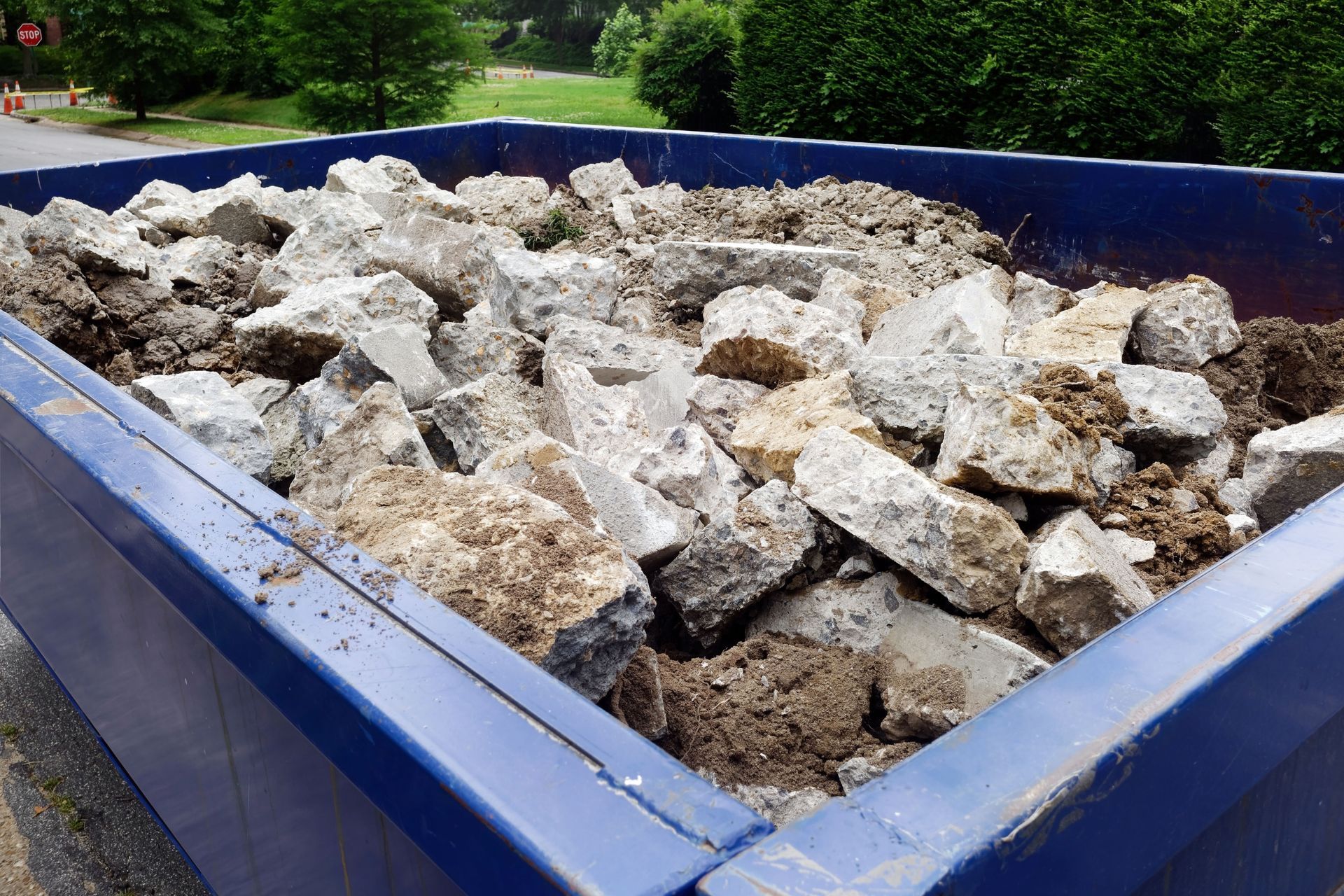
Every waste container possesses maximum weight thresholds dictated by vehicle haulage capacities and highway safety standards. Loading high-density materials, such as soil, gravel, rock, concrete, or wet roofing shingles, can quickly push a container past safe operating limits, even if the unit appears partially empty. Asking about specific weight parameters when arranging roll off dumpster rentals ensures that loading remains within safe mechanical and regulatory thresholds. Distributing weight evenly across the floor of the container maintains vehicle balance and prevents structural strain on hauling equipment.
When working with exceptionally heavy materials, specialized loading techniques may be recommended. For example, mixing dense masonry waste with lightweight cardboard or wood helps balance total container mass. Project managers should monitor material accumulation throughout the project to avoid exceeding maximum load limits. Adhering to weight guidelines ensures safe highway transit, protects roadways from excess axle stress, and guarantees that haulers can pick up the container without mechanical disruption.
5. What Proper Site Preparations Are Necessary Before Delivery?
Ensuring that the installation site is completely clear of obstacles prior to the arrival of the delivery truck guarantees a smooth placement process. Vehicles, personal equipment, low-hanging gate doors, and portable tools must be cleared from the drop-off path to provide unhindered truck access. Communicating clear instructions regarding preferred orientation—such as placing door openings toward the active work zone—makes loading debris far easier for work crews. Evaluating site readiness before securing roll off dumpster rentals ensures that the drop-off driver can position the unit accurately on the first attempt.
Additionally, preparing the surrounding area for daily loading activity improves ongoing workplace safety. Setting up clear walking paths between the project area and the container doors prevents trips and falls when carrying heavy materials. If the container must remain on site for an extended duration, securing the surrounding perimeter with high-visibility markers or protective barriers keeps unauthorized individuals away from active loading zones. Thorough site preparation fosters a clean, efficient, and safe working environment throughout the project lifetime.
6. What Waste Processing Practices Are Followed After Pickup?
Understanding where discarded materials end up after pickup reflects a growing commitment to sustainable waste management and environmental stewardship. Modern disposal facilities prioritize material recovery, sorting recyclable components such as untreated lumber, metals, cardboard, and clean concrete out of the general waste stream. Inquiring about post-collection handling procedures when booking roll off dumpster rentals allows eco-conscious property owners and commercial builders to align their projects with green building standards and local recycling initiatives.
Sustainable waste processing reduces landfill pressure and conserves valuable natural resources by diverting recoverable materials back into manufacturing streams. Responsible waste handlers partner with specialized recycling centers to process heavy structural debris into reusable aggregates and landscaping products. Asking prospective providers about their sorting practices ensures that discarded items from your project are managed thoughtfully, maximizing material diversion and minimizing the ecological footprint of your cleanup endeavor.
If you are ready for seamless waste management and dependable project support for roll off dumpster rentals, contact us at LK Specialties LLC today. We will help you select the ideal container solution tailored to your exact project requirements.